


Small Wonder: Introducing the LTR Occasional Table
Posted on 7th May 2026 by Mark
A Masterclass in Structural Ingenuity
At first glance, the LTR is defined by its "wire base"—a complex web of welded steel rods that provides incredible strength while remaining visually light. This rod-base construction was a groundbreaking industrial technique when it first debuted, allowing for a sturdy support system that doesn't feel heavy or bulky in a room.
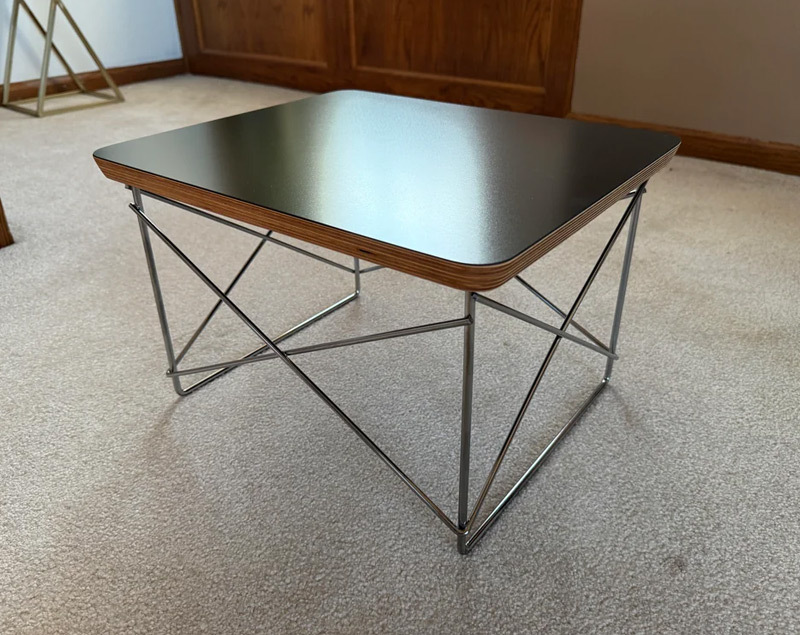
Standing at a height of just 25cm, the table was purposefully designed to be "low to the ground," inspired by the traditional Japanese floor-based lifestyle and the designers' desire for furniture that felt approachable and unpretentious. The tabletop itself is crafted with a signature bevelled edge that proudly displays the layers of its plywood core, typically finished with a durable high-pressure laminate or a warm wood veneer like American Walnut or Santos Palisander.
Versatility: The "Occasional" Essential
True to its name, the LTR is designed for "occasions"—those moments in daily life where you need a little extra surface area exactly where you happen to be sitting. Its lightweight frame makes it easy to pick up and move from room to room as your needs evolve throughout the day.
- The Perfect Companion: Its height makes it the ideal partner for a low-slung lounge chair. It provides just enough space for a cocktail, a book, or a small lamp without competing with the chair’s silhouette.
- The Minimalist Bedside: For those who prefer a clutter-free bedroom, the LTR serves as a sleek, low-profile nightstand that holds only the essentials.
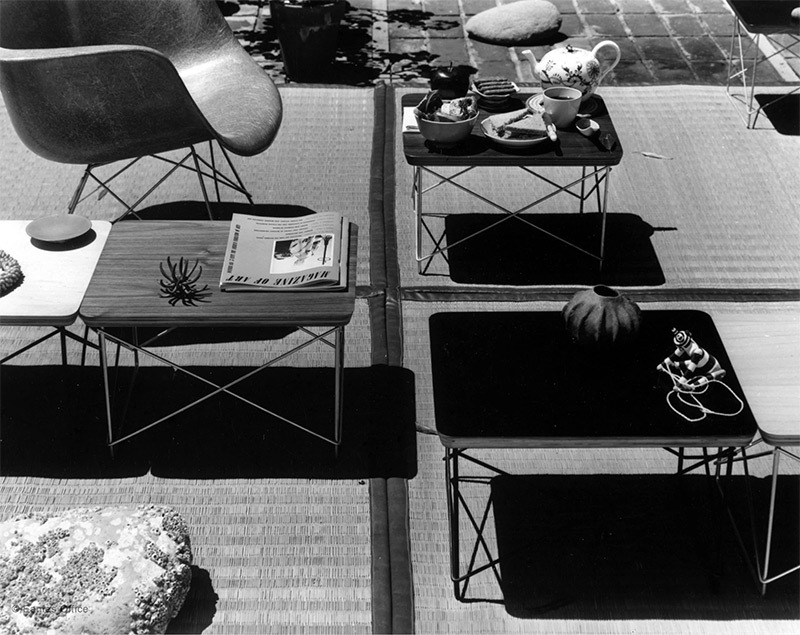
- A Multi-Functional Grouping: One of the most popular ways to use the LTR is in multiples. By grouping three or four tables together, you can create a modular coffee table arrangement that can be pulled apart when guests arrive, providing everyone with their own individual surface.
- Curated Displays: Because of its architectural base, the LTR is frequently used as a pedestal for art objects, plants, or cherished collectables, turning a quiet corner into a gallery-like focal point.
Styling the LTR in Your Home
Despite its 1950s heritage, the LTR feels remarkably contemporary in today’s interiors. Its "honest use of materials"—where the steel is left exposed, and the plywood edges are celebrated—fits perfectly with modern industrial and minimalist styles.
When styling your LTR, think in layers. Professional designers often use a "rule of three" for small surfaces: a tall element (like a slender vase or a small lamp), a low element (like a small tray or a stack of two books), and a textured element (like a stone coaster or a small succulent). Because the table is so compact, every item placed on it feels intentional, allowing you to showcase your personality in a very focused way.
A Sustainable Design Choice
In an era of disposable furniture, the LTR stands as a testament to the "long game". It is built to last a lifetime, using high-quality materials like responsibly sourced oak and walnut. The durability of the powder-coated or chrome-plated steel frame ensures that this is a piece that can be passed down through generations, maintaining its structural integrity and style regardless of changing trends.
The LTR is more than just a table; it is a piece of design history that prioritises the user's needs. Whether you are looking for a singular accent piece or a flexible solution for a small apartment, the LTR offers a refined blend of precision and simplicity that remains as relevant today as it was over seventy years ago.